Aluminum CNC Machining
Custom aluminum CNC machining for lightweight, high-precision parts—built for prototypes, production runs, and complex geometries.
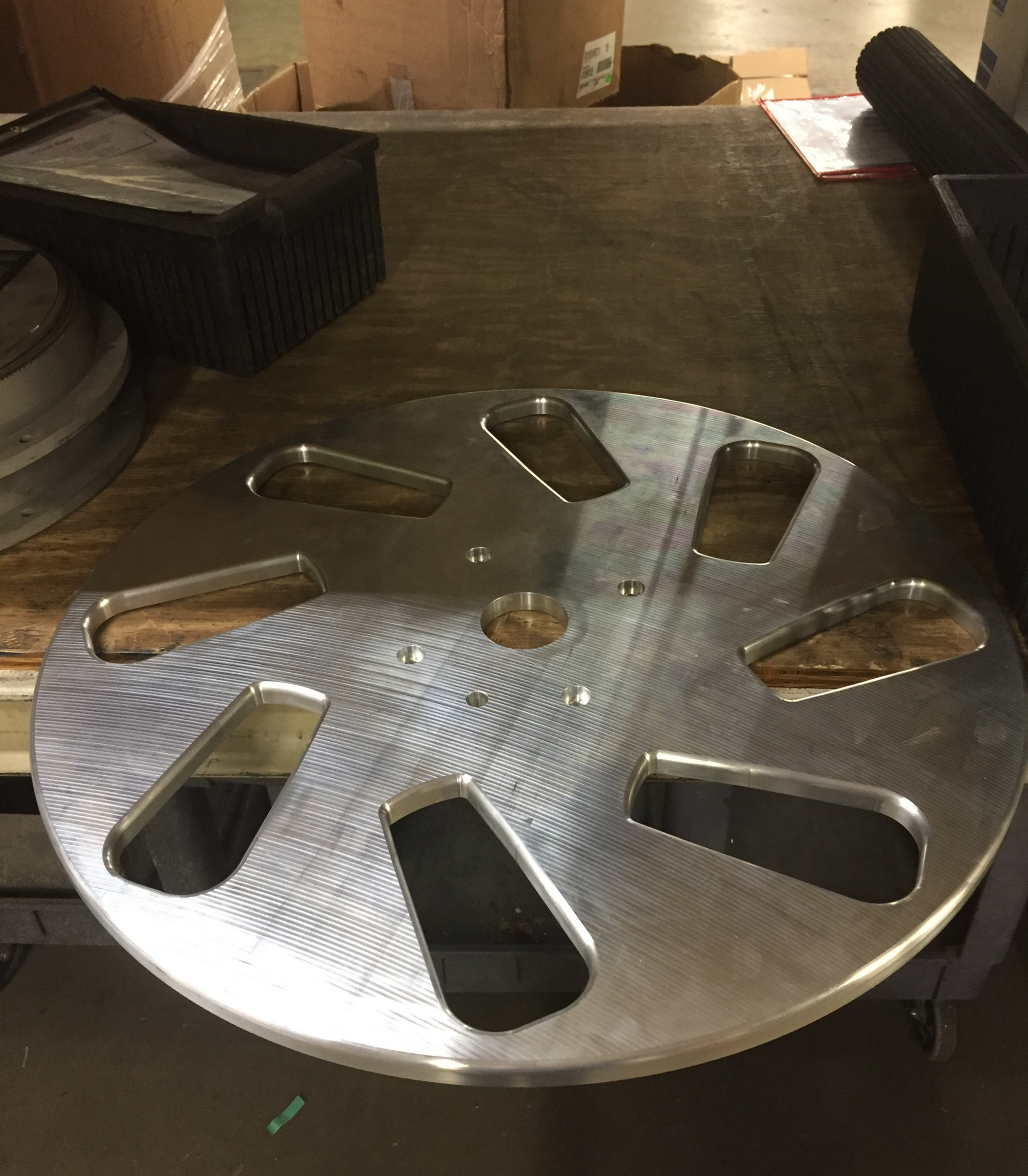
Get Aluminum CNC Machined Parts That Meet Your Specs Without Delays or Guesswork
You don’t have room for error when it comes to your parts. If the material, tolerances, or machining process are off, it affects performance, timelines, and your reputation. With aluminum CNC machining, you need a partner who can execute with precision, consistency, and control.
At Ephrata Precision, you get custom components built to your exact specifications, so your parts are accurate, repeatable, and ready to perform in real-world conditions.
When Aluminum Is the Right Choice for CNC Machining
Aluminum CNC machining is the right choice when your part needs to balance strength, weight, and manufacturability without overcomplicating production.
Typically, aluminum is the right fit when your part needs:
- Lightweight strength for brackets, housings, and structural components
- Tight tolerances and clean finishes for precision parts and assemblies
- Corrosion resistance for outdoor or exposed environments (depending on alloy)
- Fast, efficient machining to keep lead times and costs under control
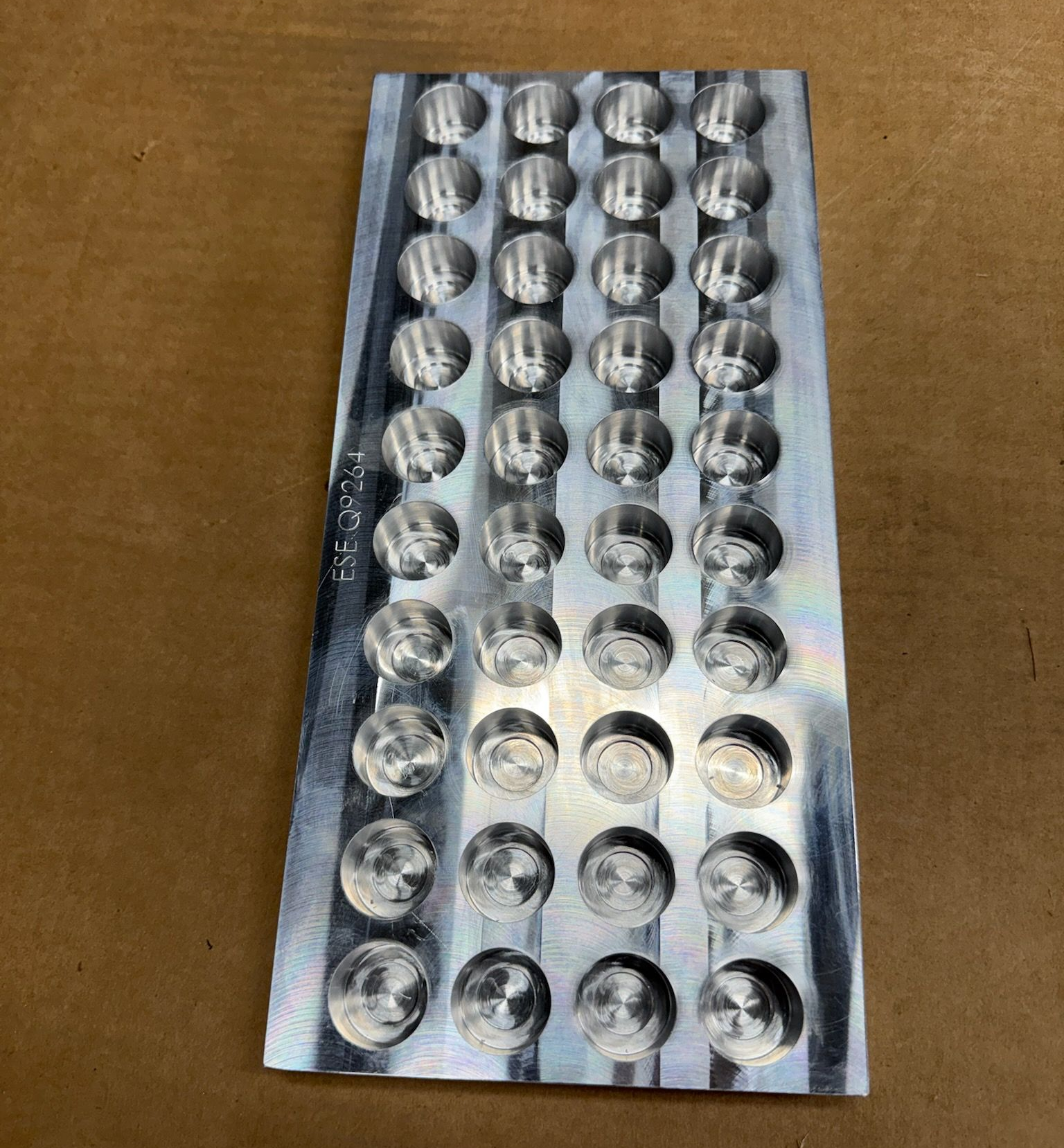
When Aluminum CNC Machining Delivers the Best Results
Not every application calls for aluminum. If your part faces extreme heat, heavy wear, or abrasive conditions, another material may perform better. The right choice depends on how your part will actually be used.
Auto Parts
Aluminum is often the better choice when reducing weight improves performance, like in
automotive components. Lighter parts can directly impact efficiency, speed, and overall system performance.
Medical Devices
For
medical devices and enclosures, aluminum supports the precision and consistency required for tightly controlled components. Clean finishes and repeatable tolerances matter here.
Prototyping
It’s also a strong option for
prototype parts that need to carry through into production without changing materials. You can test, adjust, and move forward without starting over.
How to Choose the Right Aluminum Alloy for Your Part
Not all aluminum performs the same. The alloy you choose affects strength, machinability, corrosion resistance, and how your part holds up in real-world conditions.
The right choice depends on how your part will be used, not just the specs on paper. Here’s a breakdown of common aluminum alloys used in CNC machining and where they fit best:
| Alloy | Key Characteristics | Best Use Cases |
|---|---|---|
| 6061 Aluminum | Versatile, corrosion-resistant, cost-effective | General-purpose parts, brackets, housings, prototypes |
| 7075 Aluminum | Very high strength, less corrosion resistant | Aerospace, high-load components |
| 2024 Aluminum | High strength, good machinability, lower corrosion resistance | Structural and performance parts |
| 5052 Aluminum | Excellent corrosion resistance, more formable | Marine, enclosures, exposed environments |
| 2011 Aluminum | Excellent machinability, tight tolerances, smooth finish | Precision, high-volume machined parts |
| MIC-6 Aluminum | Cast, stress-relieved, stable during machining | Jigs, baseplates, mounting plates |
Quick takeaway:
6061 is the most commonly used aluminum for CNC machining due to its versatility and cost. 2024 and 7075 are used when strength and fatigue resistance are more important. MIC-6 is used when flatness and stability during machining are critical.
At Ephrata Precision, our CNC machine shop has a wide range of aluminum alloys depending on the job. 6061 is the most common by a wide margin, but materials like 2024 and MIC-6 are used when the application calls for higher strength, fatigue resistance, or dimensional stability.
If you’re not sure which alloy is right, that’s where experience matters. Send your specs, and we’ll help you choose a material that fits how your part will actually be used, not just what looks good on paper.
REQUEST FOR A QUOTE
CNC Machining
Tell us your specs—we’ll recommend the right material and machining approach.
What to Expect From Aluminum CNC Machining
With aluminum CNC machining, the process should follow a clear, controlled path from start to finish:
- Material and setup are matched to your part
The right alloy, tooling, and machining strategy are selected based on your specs, tolerances, and end use. - Machining is optimized for precision and finish
Speeds, feeds, and cutting conditions are dialed in to control edge quality, surface finish, and dimensional accuracy. - Inspection ensures consistency across every run
Parts are measured and verified so your results stay accurate, repeatable, and ready for production.
When this process is handled correctly, you get CNC-machined aluminum parts that meet spec, fit as intended, and hold up in real-world use.
Why Manufacturers Choose Ephrata Precision for Aluminum CNC Machining
At Ephrata Precision, you work with a team that brings decades of hands-on experience, process control, and accountability to every job.
- Established in 1972 with a long track record of precision manufacturing
- Full-service capabilities including machining, tool & die, EDM, and inspection
- Tight-tolerance expertise down to 0.0001 inches
- Industries served include medical, automotive, food processing, and industrial manufacturing
With advanced capabilities like 5-axis CNC machining,wire EDM, and tool & die, you get solutions built around your part, not a one-size-fits-all process.
You’re working with a team that understands what’s at stake and treats your part like it matters from the start.
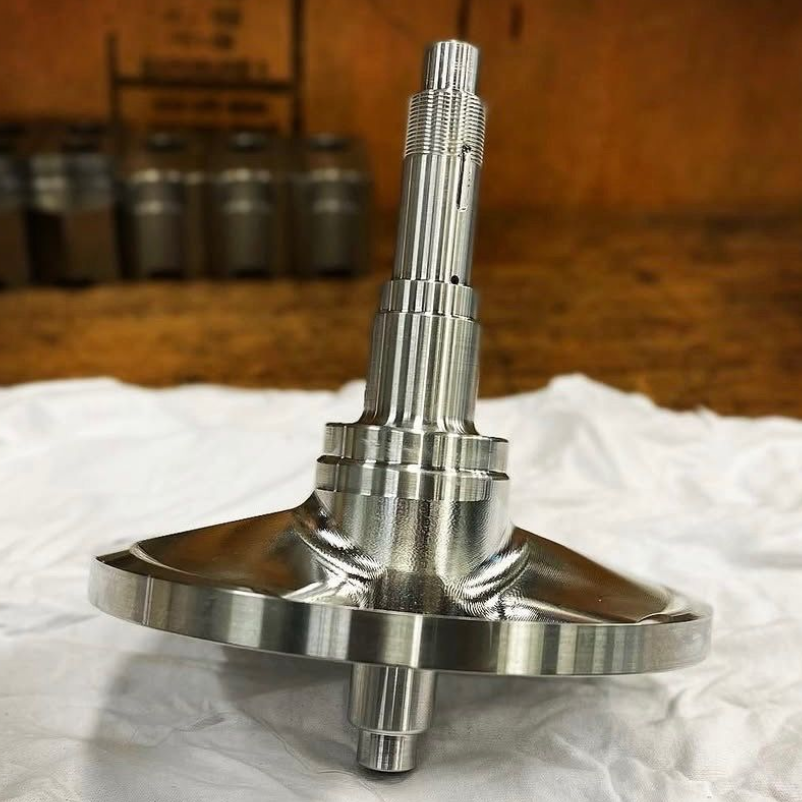
Get the Right Aluminum CNC Machining Solution for Your Project
If your part needs to meet tight tolerances and stay on schedule, the next step is simple. Send your drawings, specs, or project details to Ephrata Precision. You’ll get clear feedback, material guidance, and a realistic timeline based on your part, not assumptions. You’ll know what it takes to move forward with your aluminum CNC machining before anything begins.